Look
Notice color, depth, and clarity.
Color can suggest grape style, age, and concentration, but it is a clue rather than a verdict.
Wine tasting for beginners
Taste wine in the same five steps each time: look, smell, taste, read the structure, and record what mattered. You do not need to identify every aroma. You need a repeatable way to notice differences and remember what you enjoy.
Best short answer
Wine tasting is deliberate comparison. Pause before drinking, name a few sensations, and save a short note. Repeating that process builds vocabulary and taste memory far faster than memorizing regions without a glass in front of you.
The repeatable method
Notice color, depth, and clarity.
Color can suggest grape style, age, and concentration, but it is a clue rather than a verdict.
Smell once, swirl gently, then smell again.
Start broad: fruit, flowers, herbs, earth, spice, or oak. Specific words can come later.
Take a small sip and let it move across your mouth.
Notice whether the wine feels fresh, sweet, bitter, warming, juicy, creamy, or drying.
Name the acidity, tannin, body, and alcohol level.
Structure explains how the wine feels and often matters more than naming every aroma.
Write one sentence and whether you would drink it again.
A short honest note is more useful than a polished paragraph you will never revisit.
| What you feel | Wine word | Simple scale |
|---|---|---|
| Fresh or mouthwatering | Acidity | Low, medium, or high |
| Drying or grippy | Tannin | Soft, medium, or firm |
| Light or heavy | Body | Light, medium, or full |
| Sugar you can notice | Sweetness | Dry, off-dry, or sweet |
| Flavor after the sip | Finish | Short, medium, or long |
Your perception is the starting point. Style guides are comparisons, not answer keys.
Three accurate words and one structural observation are enough for a useful note.
Taste memory grows when you compare today's glass with something you recorded before.
Keep learning
A one-minute format for remembering the bottle, the moment, and what you liked.
Remove the label, compare clues, and practice making a calm conclusion.
Choose matching glasses, numbered covers, and only the tools that support how you practice.
Use the same short routine every time: look, smell, taste, notice structure, and record one honest sentence. Consistency teaches you more than trying to guess the grape or copy professional tasting notes.
Taste attentively, compare two wines side by side, reuse a small vocabulary, and keep notes you can revisit. Improvement comes from repeated comparisons and memory, not from having an unusually sensitive nose.
Not for one casual glass. Spitting is useful when tasting several wines because alcohol quickly reduces attention and sensory accuracy. Use a clean cup or spittoon when you need to stay focused or avoid drinking.
Record the wine, context, main aromas, acidity, tannin, body, finish, and whether you would drink it again. A useful note can be two or three sentences.
Practice with a real glass
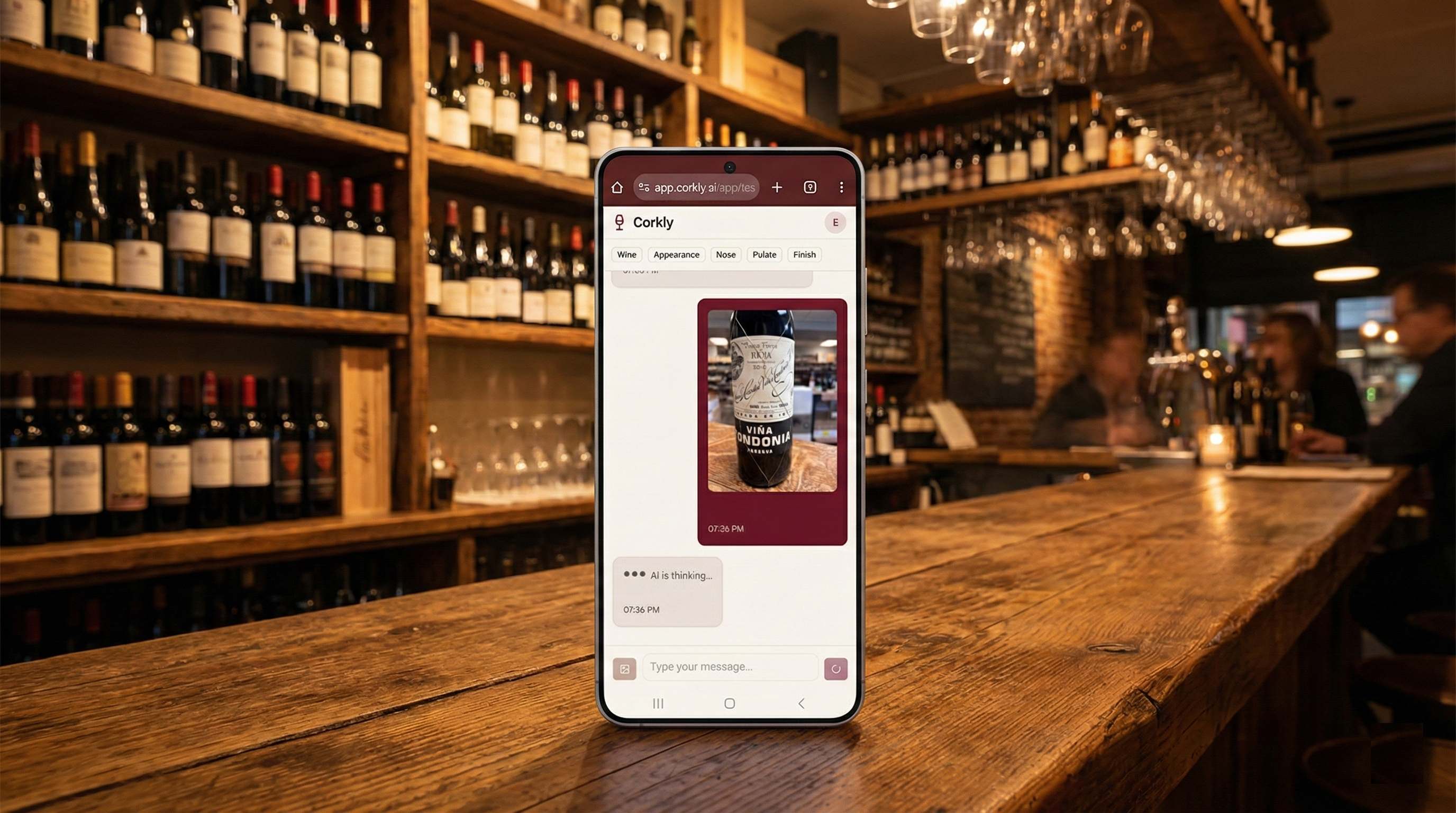
Corkly guides the tasting, helps you find useful words, and turns the session into a note you can revisit.
Read how Corkly researches wine education on the editorial methodology page.
Further reading: WSET: How to taste wine and WSET: How to train your palate.