Fatto a Mano Amadeo Decanter
A handblown statement piece from Riedel's master glassmakers. The dramatic curves aerate beautifully — and it doubles as the centerpiece of any dinner.
View on AmazonYou don't need a sommelier's collection to taste better — you just need the right few pieces. Here's what each accessory actually does, when to use it, and our favorite picks at every price.
A decanter is a glass vessel you pour wine into before serving. It does two things: it lets the wine breathe (oxygen softens harsh tannins and opens up aromas), and it separates the wine from any sediment that's settled at the bottom of the bottle.
When to decant: young, tannic reds (Cabernet Sauvignon, Malbec, Syrah, Bordeaux blends) benefit most. Older, fragile reds can be decanted briefly just to remove sediment. Most everyday whites and sparkling wines don't need it.
How long: 30–60 minutes is a safe range for most bold reds. Taste as you go — the wine will keep changing.
Three options at three different price points. All of them get the job done. Read the full decanter guide.

A handblown statement piece from Riedel's master glassmakers. The dramatic curves aerate beautifully — and it doubles as the centerpiece of any dinner.
View on Amazon
Sculptural, serpent-like, and surprisingly practical. The Boa pours cleanly thanks to its long neck and looks incredible on a sideboard.
View on Amazon
A clean, classic teardrop shape in lead-free crystal. Excellent aeration and a beautiful pour at a fraction of the price of luxury brands.
View on AmazonWith older reds and unfiltered wines, sediment can muddy the glass. The cleanest fix is to set a stainless steel sediment filter over the mouth of your decanter as you pour. It catches everything you don't want without slowing you down.
The shape of your glass changes how a wine smells and tastes — really. A wide bowl gives bold reds room to open up. A narrower bowl preserves the delicate aromatics of a crisp white. Where the rim meets your tongue affects which flavors you notice first.
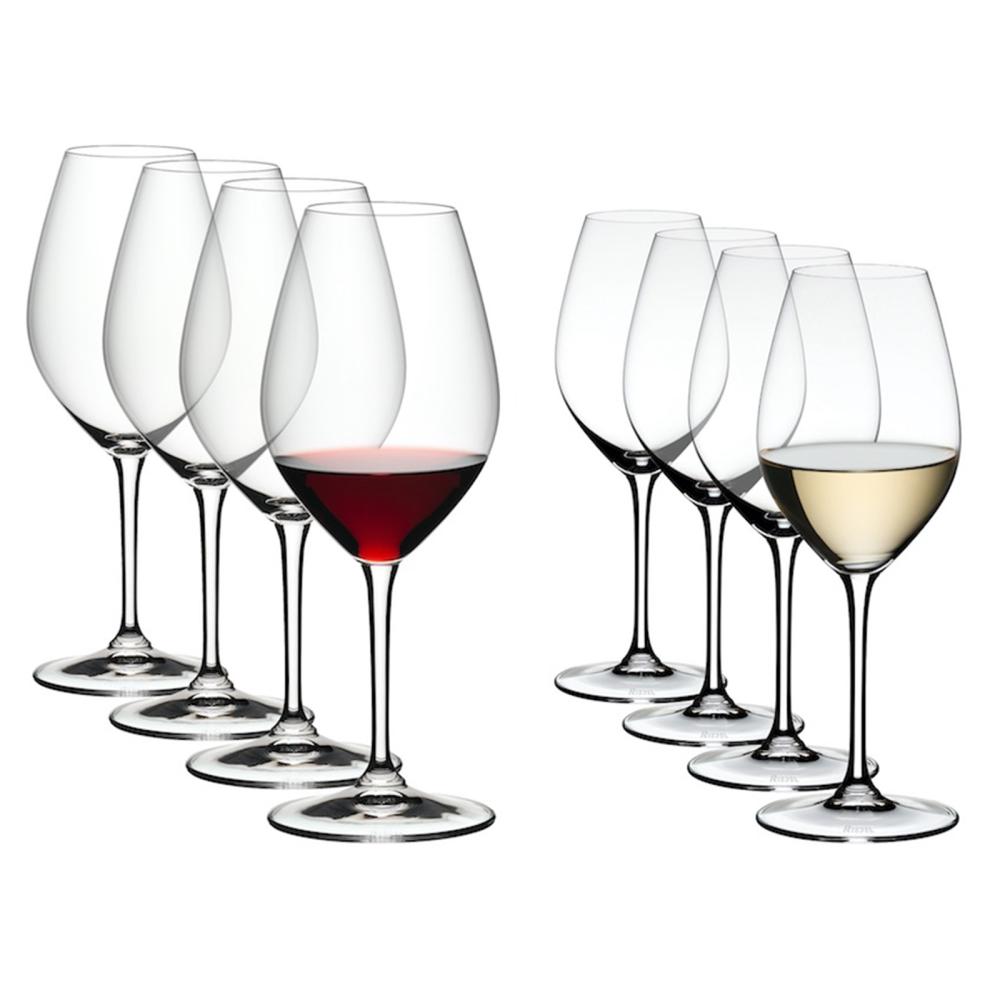
You don't need a glass for every grape. Most home tasters do beautifully with three: a red, a white, and something for sparkling. Below, our favorites in each category — plus a do-it-all universal glass if you only want to buy one. Full wine glass buying guide.
Bigger bowls let bold reds breathe in the glass. A wider opening also helps aromatics like black cherry, leather, and spice reach your nose.

Casual, dishwasher-friendly, and surprisingly versatile. Perfect for relaxed dinners and outdoor pours where stems are a liability.
View on Amazon
A tall bowl with a slightly tapered rim — built for full-bodied reds like Cabernet Sauvignon, Merlot, and Bordeaux blends.
View on Amazon
The smartest single buy if you drink mostly reds. Big enough for Cabernet, balanced enough for Pinot Noir.
View on AmazonWhite wine glasses are smaller and narrower than reds. The tighter bowl preserves cool temperatures and concentrates delicate citrus, floral, and stone-fruit aromas.

A reliable everyday set with a classic tulip shape. Buy six — the seller throws in two extras, so you're ready for guests.
View on Amazon
A slightly wider bowl built specifically for full-bodied, oaked whites. Lets buttery, creamy Chardonnays show their full range.
View on AmazonA truly universal glass works for almost any wine — red, white, or even sparkling in a pinch. It's the move if cabinet space is tight or you're just getting started.

Sommeliers' not-so-secret favorite. Featherlight, handblown, and shaped to flatter virtually any wine you pour into it. The one glass to rule them all.
View on AmazonBoth serve sparkling wine, but they do very different jobs.
Tall and narrow. The small surface area keeps bubbles lively for longer and funnels aromas straight to your nose. This is the glass for everyday Champagne, Prosecco, and Cava.
Wide and shallow. Bubbles dissipate faster, but the open bowl makes it perfect for vintage Champagne (where the wine is more about flavor than fizz) and for cocktails like the French 75 or a classic Champagne cocktail.
Our recommendation: own both. Use flutes for celebrations and aperitifs; bring out coupes when you want a little vintage drama. Read the full flute vs coupe comparison.

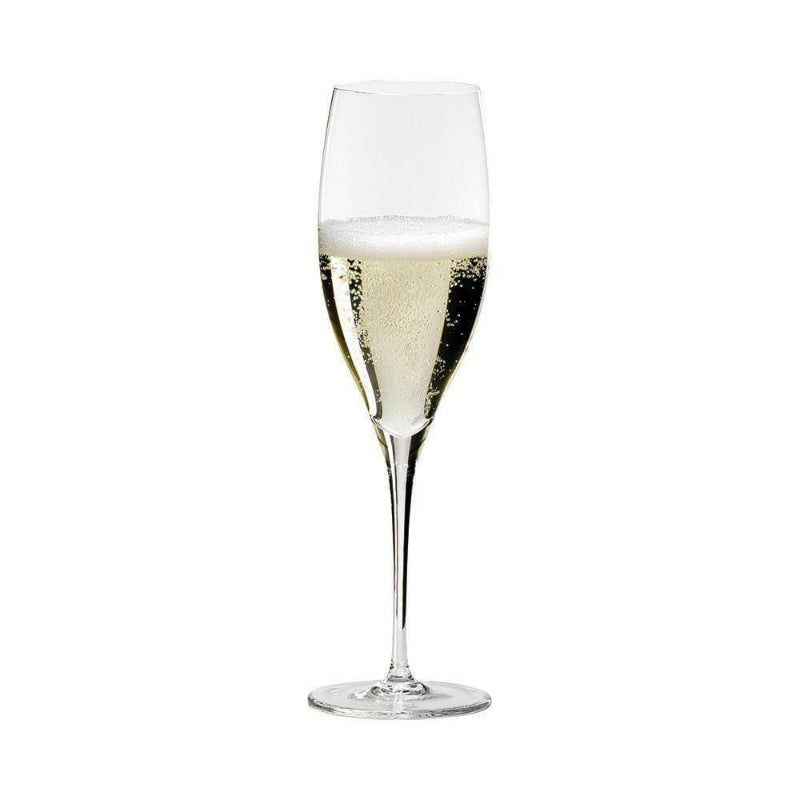
Slim, elegant, and tall enough to show off a steady stream of bubbles. The reliable everyday choice for sparkling wine.
View on AmazonThe classic 1920s silhouette — equal parts beautiful and useful. Ideal for vintage Champagne, sparkling cocktails, and dessert wines.
View on AmazonWine — especially red — leaves stubborn residue. The trick is to rinse warm right after use, then deep-clean once a week if you're a regular pourer.
Skip the dishwasher. The heat and detergent can dull crystal and warp delicate shapes over time. A simple three-tool routine handles the rest. Full decanter cleaning guide.

Soft bristles, a flexible neck, and a head shaped to reach the bulb of any decanter. Won't scratch crystal.
View on Amazon
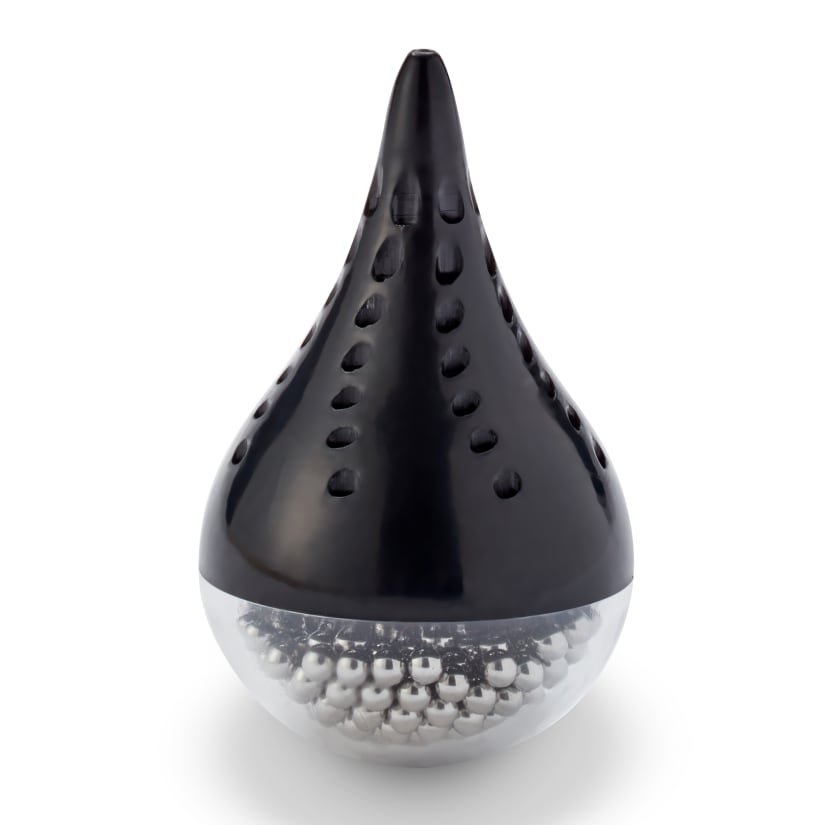
Tiny steel beads scrub the inside of your decanter as you swirl warm water. The fastest way to remove dark wine stains.
View on Amazon
Lint-free and gentle on glass. Buffs out water spots and fingerprints to a clear, gleaming finish.
View on AmazonHelp me decide
The most-asked "which one" questions, answered.
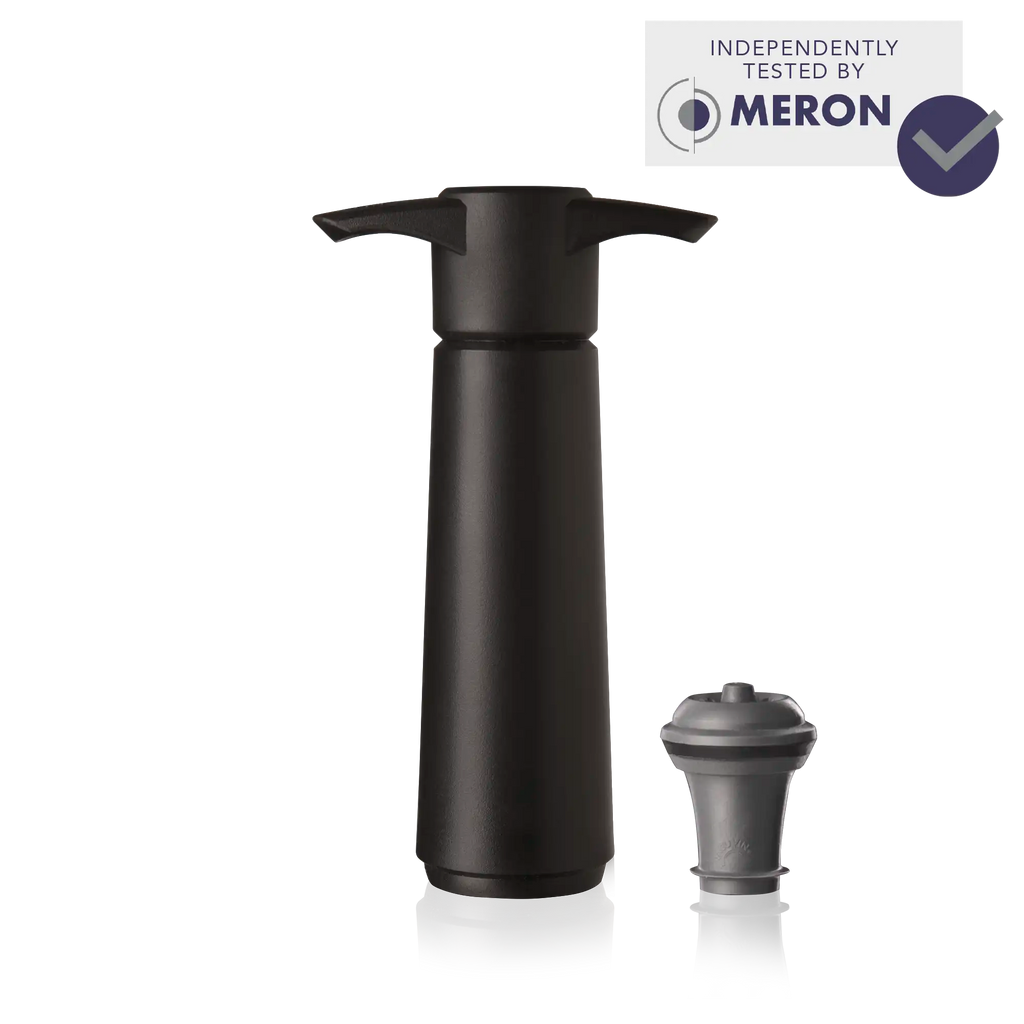
Two preservation tools, completely different price tags. Here's which is worth it for your bottles.
Read comparisonHand-blown universal vs varietal-specific. The honest comparison of the two best wine glass brands.
Read comparisonElectric, lever, or waiter's corkscrew? Speed, effort, and elegance compared.
Read comparisonBubble retention or vintage drama? When to reach for each — and the third option sommeliers actually prefer.
Read comparisonExplore the toolkit
Three decanters at three price points — and exactly when each one is worth using.
Read guideRed, white, or universal? The right wine glass for the way you actually pour.
Read guideBrush, beads, polish. The three-tool routine that keeps a decanter looking new.
Read guideElectric, lever, or waiter's corkscrew? Three solid picks for every type of pourer.
Read guideVacuum stoppers, silicone seals, or full preservation systems — how to make every bottle last.
Read guideSlim, dual-zone, or countertop? The right wine fridge depends on what you actually drink.
Read guidePourer, handheld, or decanter combo — when aerators help, and when they're just gadgets.
Read guideStackable, wall-mounted, or countertop — store wine the right way without sacrificing space.
Read guideHand-picked wine gifts that look more expensive than they are.
Read guideInsulated totes and carriers built to keep bottles cold, safe, and unbroken.
Read guideThe right glass and a few minutes of decanting can transform a bottle. Pair your new setup with a wine guide and a tasting session — that's where the learning really clicks.
Disclosure: Corkly is a participant in the Amazon Services LLC Associates Program, an affiliate advertising program. We earn a small commission from qualifying purchases at no extra cost to you.